

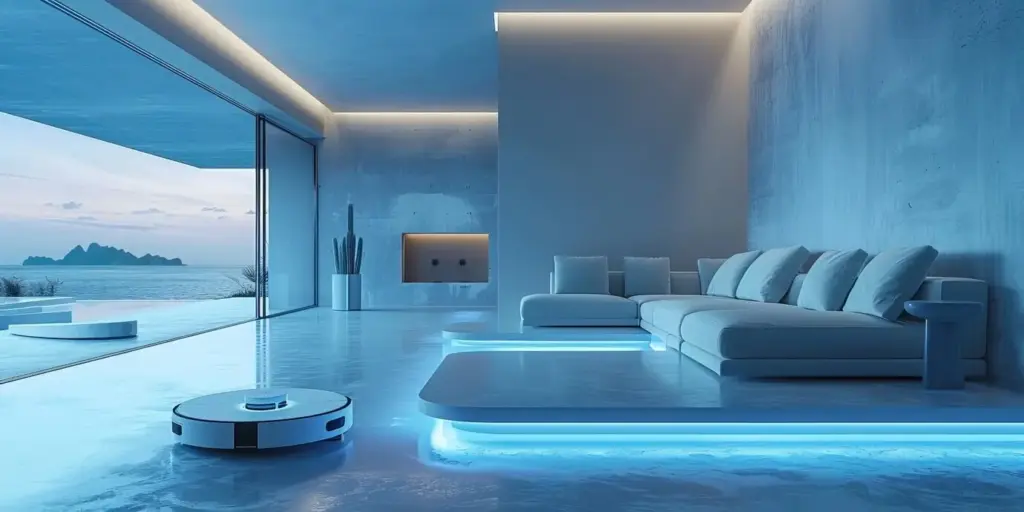
Light That Whispers Elegance

Step into a calmer, more considered home by shaping illumination in layers that guide the eye and relax the mind. Today we explore layered lighting plans for subtle sophistication, blending ambient, task, and accent sources with thoughtful controls, color, and placement. Expect practical frameworks, designer tricks, and relatable stories you can adapt room by room. Ask questions, save ideas, and imagine how your evenings might feel when light supports conversation, rest, and focus with quiet confidence.

The Quiet Power of Layered Light

Ambient as the Gentle Base

Ambient lighting is the calm, even wash that steadies the scene, often delivered through cove channels, concealed LED strips, or carefully spaced downlights softened by wide trims. It reduces harsh contrast, supports relaxation, and prevents eye fatigue. Plan it first, aim it indirectly when possible, and choose dim-to-warm or warm 2700–3000K temperatures for evening serenity. When the base is right, everything else can sparkle without glare or visual noise.

Task Beams with Purpose

Task lighting serves reading, chopping, writing, and grooming without startling brightness. Under-cabinet bars, swing-arm lamps, and focused pendants offer precision where you need it, when you need it. Select beams narrow enough to concentrate on the task but soft enough to avoid hard-edged shadows. Favor high CRI sources so print looks crisp and food looks appetizing. Put tasks on separate dimmers; adjusting intensity by activity makes spaces feel considerate rather than clinical.

Accents, Sparkle, and Shadow

Accent lighting shapes emotion. A 30-degree spot on art reduces glare, grazing a stone wall reveals texture, and a low-gloss table candle adds human warmth that technology alone cannot duplicate. Use asymmetry deliberately; a single halo around a sculpture can create narrative. Keep accent channels controllable, because evening rooms often want only whispers of light. Remember: not everything should shine. What you choose to leave in shadow is as expressive as what you illuminate.

Planning Rooms Like a Lighting Designer

Great lighting begins on paper, long before bulbs are bought. Start with activities, sightlines, and moods, then translate them into circuits, scenes, and controls. Visualize where people sit, stand, cook, and read. Sketch paths of travel and note possible glare angles. Decide what deserves attention and what should recede. Choose fixtures for purpose, not ornament alone, and pair them with dimming that allows effortless transitions. With intention, every switch reflects a moment you actually live.

Map Activities, Then Map Light

List the real habits in each room: morning coffee, late-night emails, homework, stretching, quiet reading, conversation. Assign ambient, task, and accent sources to each activity, then group by time of day. Place light where actions occur, not simply where empty ceiling awaits. This activity-first approach exposes gaps and redundancies early, saving money and frustration. It also creates clarity when shopping, since every fixture must justify its role in your daily rhythm.

Create a Luminous Hierarchy

Every space benefits from a clear visual hierarchy that guides the eye from broad glow to purposeful highlights. Choose one or two focal points, like art or a textured wall, then support them with quieter layers. Avoid competing brightness levels that fight for attention. Think cinematography: foreground, midground, background. Adjustable trims and wall-wash optics help you sculpt this depth. When layered intentionally, rooms feel composed even when the furnishings are minimal and the palette is restrained.

Circuiting, Dimming, and Flexibility

Allocate separate circuits for ambient, task, and accent layers to ensure independent control. Favor quality dimmers matched to your driver type—ELV, TRIAC, or 0–10V—for flicker-free, low-level performance. Prewire for future pendants or picture lights even if you delay the purchase. Consider smart keypads that store scenes while keeping wall clutter minimal. Flexibility is sophistication: when light can adapt quietly, a living room transforms from bright brunch to hushed movie night without visual drama.

Color, Temperature, and Material Harmony

Choosing Kelvin with Intention

Pick 2700K for cozy evenings, 3000K for a balanced, gallery-like tone, or 3500–4000K for crisp daytime work. Consider warm-dim LEDs that shift color as they dim, echoing candlelight. Keep color temperature consistent within a zone to avoid patchy, mismatched ambiance. In open-plan homes, use slightly cooler light at the kitchen island for clarity while keeping adjacent seating warm. This gentle gradient preserves subtlety and ensures faces look alive without the chill of office lighting.

Color Rendering That Loves Your Space

Look for CRI 90+ and strong R9 values to make reds, skin, and wood glow with believable richness. Poor rendering flattens art and muddles textiles. Sample bulbs at home, not just in store aisles, because nearby surfaces influence perception. If you love deep blues or terracotta walls, verify that your sources honor their nuance. When color reads true, you can dim low without spaces looking muddy, preserving that coveted candlelit sophistication rather than a faded, grayish haze.

Let Surfaces Do the Work

Indirect light bouncing off pale ceilings or softly textured plaster multiplies brightness without glare. Dark, high-gloss surfaces can create hot spots; aim beams carefully or choose wider optics. Mirrors expand reach but demand thoughtful positioning to avoid reflections of bare bulbs. Rugs, drapery, and matte paint absorb harshness, smoothing luminous transitions. Harness materials as quiet collaborators: with the right finishes, even modest fixtures feel luxurious, and the room gains depth that equipment alone cannot deliver.

Small Spaces, Big Calm

Compact homes and apartments benefit immensely from careful layering that maximizes utility without visual clutter. Choose slim profiles, hidden channels, and plug-in options when wiring is limited. Bounce light from walls, not just down from ceilings. Favor multiples of smaller sources over one dominating fixture. Keep cords tidy, use consistent finishes, and lean on dim-to-warm technology for evening softness. The result is a space that feels open, measured, and quietly polished despite modest square footage.

Smart Controls, Soft Results

Technology should disappear into experience. Scene controllers, wireless dimmers, and gentle schedules help rooms shift from morning clarity to evening hush with one touch. Avoid gadget overload; select a platform that your household truly uses. Calibrate low-end dimming so light fades to a whisper without flicker. Keep wall clutter minimal with multi-button keypads labeled for moments you actually live. When controls honor human rhythms, sophistication reads as ease, not display.

Before and After: Harsh to Hushed

A downtown living room once relied on a grid of bright downlights that flattened faces and spotlighted crumbs. We replaced uniform glare with layered nuance: coves for ambient glow, reading lamps for purpose, and art spots for meaning. Dim-to-warm sources and a few reflective accents transformed evenings into gatherings that felt intimate yet clear. The space never got darker, only calmer, and conversation deepened naturally. Here’s how the plan unfolded and why it stayed beautiful effortlessly.

What We Found

Twelve cool-white downlights produced shadowed eyes, shiny foreheads, and restless moods. The sofa felt exposed while art vanished into dull illumination. Switches controlled everything at once, so brightness was either on or off, seldom comfortable. The room lacked a focal point and any sense of depth. Guests drifted, never settling. Measuring with a light meter confirmed extreme uniformity—ironically the source of discomfort. The problem was not quantity of light, but quality and control.

What We Changed

We added cove LEDs for soft ambient light, converted half the downlights to adjustable wall-wash, and introduced two slender floor lamps for reading. A warm-dim chandelier delivered gentle sparkle above the coffee table. Everything went onto three scenes: Welcome, Gather, and Wind Down. Colors moved from 3500K to 2700K as levels lowered. The ceiling stopped shouting; surfaces started whispering. With layered circuits and proper optics, the same wattage produced warmth, depth, and flattering human presence.

What They Felt

The owners noticed quieter evenings immediately. Faces looked relaxed, art finally breathed, and the room invited longer conversations. They now tap Gather at dusk, then Wind Down before bedtime without thinking. If you relate to their before story, comment with your trickiest room or share a photo; we’ll suggest a first-layer tweak you can try this week. Subscribe for future walkthroughs and scene recipes, and let us know which small change made the biggest emotional difference.

Pukivelotakuforuzi
Privacy Overview

This website uses cookies so that we can provide you with the best user experience possible. Cookie information is stored in your browser and performs functions such as recognising you when you return to our website and helping our team to understand which sections of the website you find most interesting and useful.