Invisible Intelligence at Home

Step into a space where comfort feels intuitive because the technology fades from sight. Today we explore integrated smart home technology that disappears into the design, letting materials, light, and proportion take center stage while sensors, processors, and networks quietly elevate everyday rituals. Expect practical ideas, honest anecdotes from real renovations, and guidance you can adapt without turning your living room into a server rack. Share your questions and subscribe to see future builds evolve with elegance, privacy, and calm, guided by careful planning and respect for human routines.

Seamless Architecture Meets Subtle Circuits

Integrating intelligence starts long before drywall rises. Cabling paths, power budgets, ventilation for silent equipment, and service access are planned with the same care as sightlines and daylight. The goal is beautifully boring hardware: tucked panels, whisper-quiet fans, and standardized conduits that disappear yet remain maintainable. We’ll map strategies designers use to hide complexity without sacrificing repairability, from flush access doors painted like millwork to magnetic grilles and removable plinths. A calm room begins with infrastructure that respects future upgrades, clean documentation, and honest craftsmanship.

Voice as the Primary Switch

Far‑field microphones, on‑device wake word models, and room‑aware context allow natural commands like “dim to reading” without shouting brand names. Pair with subtle confirmation tones and a tiny indicator LED for reassurance without spectacle. Provide a physical mute that cuts power to microphones. Offer multi-language support for guests, and keep vocabulary plain so anyone can speak comfortably after a single visit.

Ambient Feedback over Flashy Screens

A light strip that warms slightly when the oven preheats tells a clearer story than a notification storm. Small e‑ink panels with battery life measured in months present quietly persistent status like air quality or door state. Use gentle color shifts, not pulsing animations, at night. Minimal motion and low luminance protect sleep while still conveying timely, trustworthy information.

Universal Accessibility without Obvious Gadgets
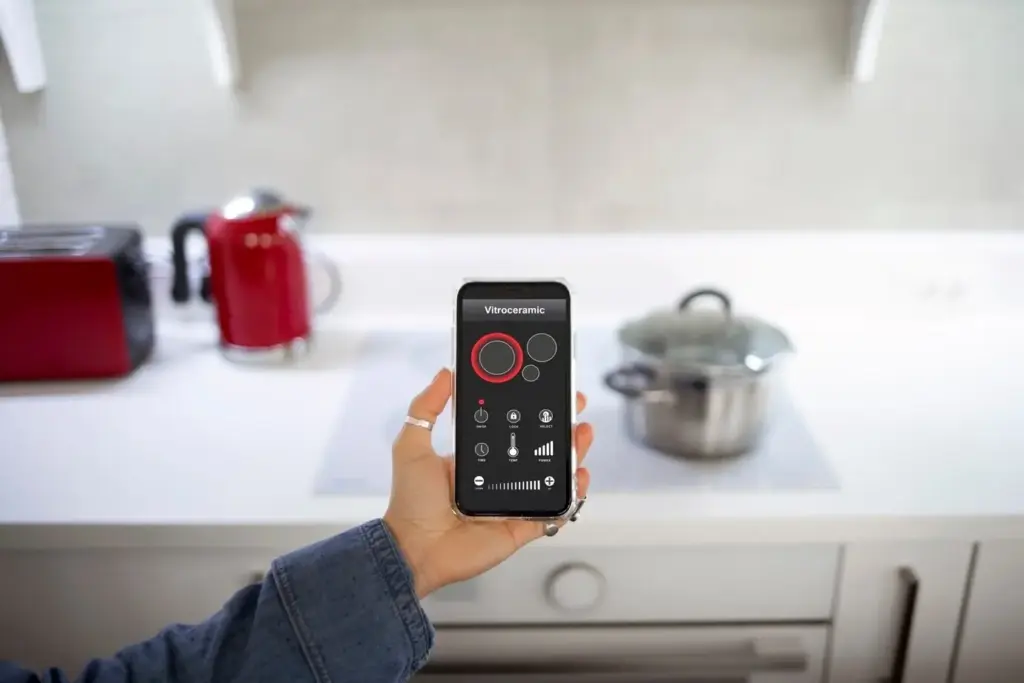
Design for guests, elders, and kids by ensuring every essential control has a physical counterpart, reachable and labeled. Tactile ridges, voice prompts, and color‑blind‑safe indicators make a home welcoming. Keep doorways clear, mount controls between comfortable heights, and avoid tiny touch targets. Prioritize standards-based systems so residents can use whatever device feels natural today and adaptable tomorrow.

Concealed Channels and Micro-Downlights
Architectural coves paired with high CRI LEDs wash walls so art sings without revealing fixtures. Recessed micro‑downlights spaced by beam angle, not rigid grids, reduce scalloping and hotspots. Add trimless details and deep regress to eliminate glare. Serviceable access points and spare wire slack preserve maintenance without breaking the illusion that light simply appears perfectly where it’s needed.

Daylight Harmony and Sensor Fusion

Blend daylight with electric light using sensors that read color temperature and intensity, then nudge fixtures rather than overpower windows. Occupancy, ambient, and time‑of‑day inputs cooperate to craft gentle transitions. Shades coordinate automatically, preserving views while cooling loads drop and comfort rises. Residents enjoy consistent ambiance, lower energy use, and rooms that feel considerate from sunrise through twilight.

Audio and Cinema Without the Boxes

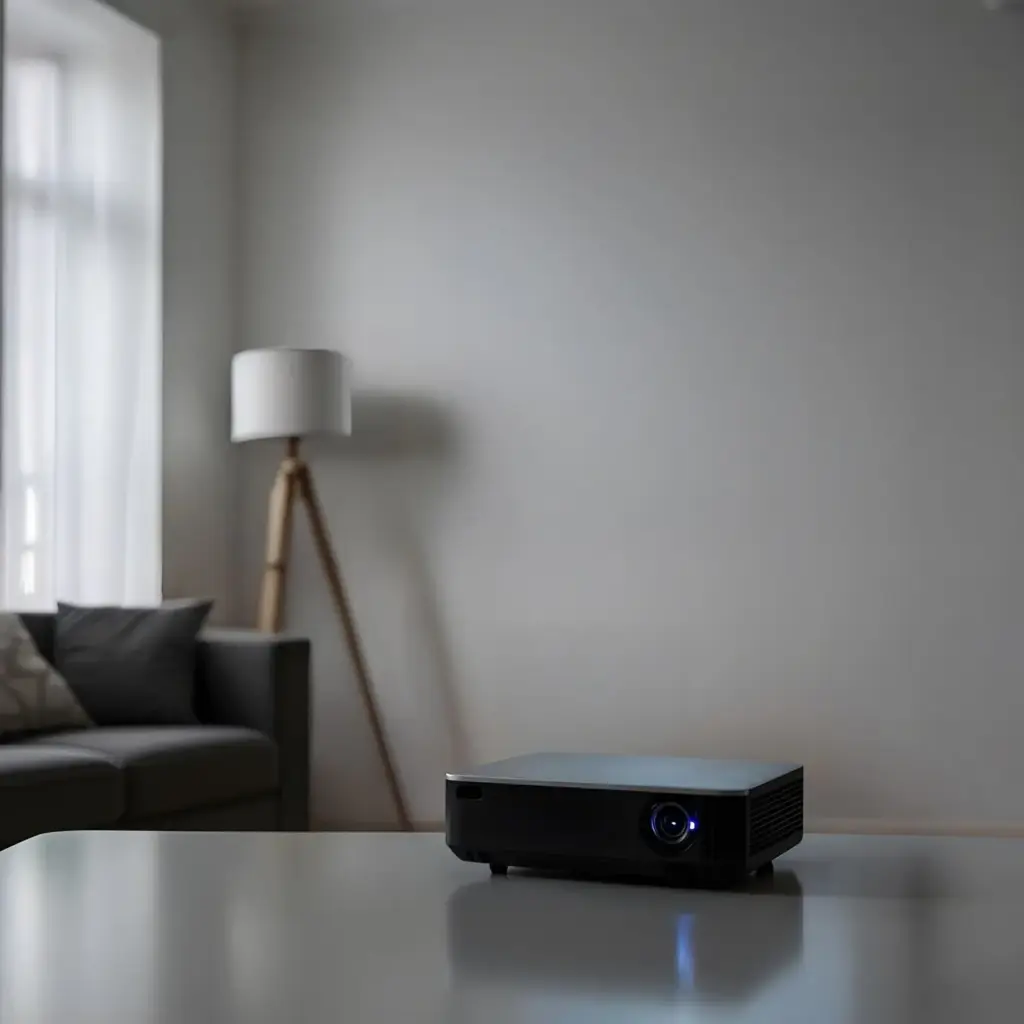
Music should appear from nowhere and fill a room evenly, not demand a shrine of black rectangles. In‑wall arrays, plaster‑over transducers, and boundary‑balanced subs hide effortlessly when planned with framing and isolation. Ventilation, cable paths, and calibration happen once; afterward, every listening moment feels effortless and inviting. We’ll also explore lift‑down projectors, ceiling‑recessed screens, and daylight‑friendly ALR surfaces so family rooms shift from sunlit chatter to cinematic wonder without clutter lingering. Stories from clients who reclaimed walls from speakers might inspire your next sketch.

Discreet Entry and Perimeter Awareness

Mortise smart locks with key retention preserve timeless hardware while enabling hands‑free entry for residents and temporary codes for guests. Magnetic reed switches integrate within frames, and buried driveway loops detect vehicles without cameras. Exterior lighting brightens gently when unusual motion appears, signaling presence rather than aggression and keeping neighbors comfortable while still discouraging unwanted behavior.

Privacy-First Surveillance Design

Favor local storage with strong encryption, short retention, and anonymous thumbnails. Place cameras where context matters—approach paths and gateways—avoiding private interiors. Provide physical shutters or lens caps and hardware kill switches for certainty. Communicate clearly to household members about retention, sharing, and review policies so trust grows instead of anxiety spreading through uncertainty.

Resilience and Offline Graceful Degradation

When the internet sleeps, comfort should not. Scenes, locks, and climate routines must operate locally with fallback schedules. Battery backups keep hubs alive, while cellular failover notifies only when necessary. Clear manuals, labeled breakers, and laminated diagrams empower neighbors or guests to help responsibly during extended outages without compromising safety or privacy.

Automation with Empathy

The smartest moments are the ones that feel considerate. Rather than chasing novelty, good automation anticipates fatigue, celebrates rituals, and never nags. Machine learning models should explain choices, ask permission before adding routines, and accept a simple “not now” without complaint or re‑prompting five minutes later. We’ll bring examples from homes where coffee starts when blinds rise, showers pre‑heat only on weekday alarms, and reminders pause during family dinners. Share what rituals matter most to you, and we’ll prototype respectful logic you can adopt or adapt freely.

01

Routines that Learn and Ask

Begin with lightweight schedules, then allow opt‑in suggestions drawn from observed patterns, explaining why and offering a clear undo. Keep automations grounded in human time—sunrise, bedtime, weekday commute—rather than brittle timestamps. Surface a weekly digest summarizing changes so residents feel informed, empowered, and always in control of their environment’s quiet choreography without needing constant configuration.

02

Energy Wisdom without Guilt

Efficiency can feel kind. Quietly precool before peak tariffs, shift heavy loads when solar surplus is abundant, and surface wins as gentle notes, not charts that scold. E‑ink displays and subtle animations celebrate progress while respecting attention. The net result is lower bills, smaller footprints, and calmer minds enjoying comfort without performative dashboards dominating living spaces.

03

Manual Override as a Design Principle

Every automated path requires a physical escape hatch. Wall buttons, pull cords, and mechanical locks coexist with software so guests never feel trapped or confused. Status should update instantly across systems after a manual change, preserving trust. Humans lead; algorithms assist, listen, and respectfully step aside the moment a hand reaches for a switch.

Pukivelotakuforuzi
Privacy Overview

This website uses cookies so that we can provide you with the best user experience possible. Cookie information is stored in your browser and performs functions such as recognising you when you return to our website and helping our team to understand which sections of the website you find most interesting and useful.